Spring Repair Solutions for Pathway Maintenance and Refresh
Spring is the perfect time for property owners to connect with local contractors who can repair pathways and refresh outdoor spaces for seasonal enjoyment.
Spring is often viewed as an ideal time to consider pathway repair projects because the season signals a period of renewal and outdoor activity. As the weather warms and ground conditions become more stable, property owners tend to assess outdoor features like walkways and patios to prepare for warmer months. Spring provides an opportunity to address any damage or unevenness that may have developed over the winter, ensuring that pathways are safe and visually appealing for outdoor gatherings and everyday use.
Pathway repair services typically encompass a range of work aimed at restoring the structural integrity and appearance of existing walkways. This can include fixing cracks, replacing broken or sunken sections, leveling uneven surfaces, and improving drainage to prevent future damage. Many local contractors also offer enhancements such as sealing or resurfacing to extend the lifespan of pathways. These services help maintain the safety and functionality of outdoor pathways, making them more durable and better suited to withstand seasonal weather changes.
When comparing local contractors for pathway repair, property owners should consider several factors to find the best fit for their needs. It’s helpful to review the scope of services offered, ensuring they include the specific repairs or improvements desired. Checking the reputation of service providers through references or customer feedback can provide insight into their reliability and quality of work. Additionally, understanding the experience and expertise of local contractors can help property owners make informed decisions, ensuring the chosen professionals are capable of handling the unique conditions and requirements of their outdoor spaces.
Compare local contractors’ expertise and priorities to find the best fit for your spring pathway repair projects.
- Assessing Damage - Local contractors can evaluate the extent of spring-related wear or cracks in pathways.
- Repair Options - Service providers offer various repair methods suitable for different types of pathway damage.
- Material Selection - Local pros can recommend appropriate materials to restore pathway durability and appearance.
- Preventive Maintenance - Professionals can advise on steps to prevent future damage and maintain pathway integrity.
Before comparing options, clearly describe your Pathway Repair project to help local contractors recommend the best solutions.
- Inspect the pathway surface for cracks, holes, or uneven areas that need repair. Consider areas where water may pool or cause further damage over time.
- Check for loose or shifting paving materials that could pose tripping hazards or worsen with spring weather. Look for signs of erosion or washouts that may have occurred during winter storms.
- Examine the edges of the pathway for deterioration or separation from adjacent surfaces. Identify sections where the base material may be exposed or compromised.
- Assess drainage around the pathway to ensure proper water flow and prevent pooling or flooding. Note any areas where water appears to be collecting or running off improperly.
- Look for plant overgrowth or roots that may be lifting or cracking the pathway surface. Determine if trimming or root removal is necessary to prevent further damage.
- Contact local contractors who specialize in pathway repair to get professional assessments and service options.
Use this as inspiration to refine your project scope with trusted local contractors.

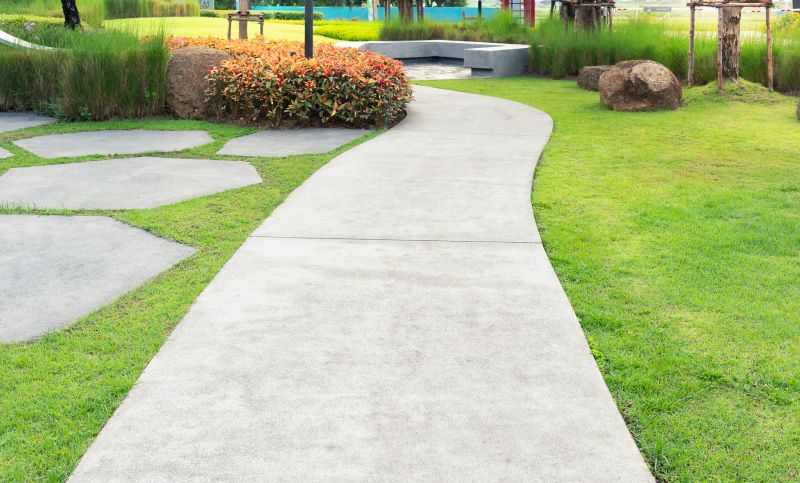

Prioritize your spring pathway repair needs and compare local contractors to find the best fit for your project.
- Pathway Resurfacing - Spring is an ideal time to refresh worn or cracked pathways with new surface materials, improving safety and appearance. Local contractors can help remove old materials and install durable options suited to outdoor conditions.
- Crack Repair and Filling - As temperatures rise, repairing small cracks prevents further damage and extends the lifespan of walkways. Service providers can assess and fill cracks to restore pathway integrity.
- Drainage Improvement - Proper drainage is essential during spring rains, and local pros can evaluate and enhance drainage systems around pathways to prevent water pooling and erosion.
- Edge Restoration - Restoring the edges of pathways helps maintain their shape and prevents trip hazards, with contractors able to re-establish clean, stable borders.
- Staining and Sealing - Applying stain or sealant in spring protects pathways from moisture and UV damage, helping to preserve their appearance and durability over time.
Ensure consistent comparisons across local contractors to find the best pathway repair solutions for spring home refresh projects.
- Assessment of Damage - Identify the extent and location of the pathway damage to determine repair needs.
- Material Compatibility - Specify the type of materials used for repairs to ensure proper integration with existing pathway surfaces.
- Repair Methods - Define the appropriate repair techniques, such as patching, resurfacing, or replacement, based on damage severity.
- Site Preparation - Outline necessary steps for preparing the area, including cleaning and removing debris, prior to repair work.
- Finish and Surface - Clarify the desired surface finish and texture to match the surrounding pathway after repairs are completed.
When considering pathway repair during the spring season, it’s important to evaluate the experience of local contractors with similar projects. Homeowners should seek service providers who have a proven track record of successfully handling pathway repairs in comparable environments. An experienced contractor will better understand common issues such as shifting soil, freeze-thaw cycles, and surface wear that can affect pathways in the spring. Reviewing the types of projects a local pro has completed can provide insight into their familiarity with different materials and techniques, helping to ensure the work aligns with the specific needs of a springtime repair.
Clear communication about the scope of work is essential when comparing local service providers for pathway repairs. Homeowners should look for contractors who can provide detailed descriptions of the services they offer, including the extent of surface preparation, materials used, and the repair methods planned. A well-defined scope helps prevent misunderstandings and provides a basis for evaluating whether a service provider’s approach matches the project’s goals. Clear documentation also facilitates informed decision-making by enabling homeowners to compare different options based on the comprehensiveness of their proposals.
Work planning considerations are particularly relevant during the spring season, when unpredictable weather can impact project timelines. Homeowners should inquire how local contractors plan their work around weather conditions, ensuring they have strategies for managing delays caused by rain or fluctuating temperatures. Additionally, understanding how contractors schedule their projects-such as coordinating site preparation, material delivery, and completion-can help homeowners gauge their professionalism and readiness to handle spring-specific challenges. Proper planning can contribute to a smoother repair process and a more durable outcome.
Evaluating options without focusing solely on prices involves assessing the overall approach, experience, and planning strategies of local service providers. Homeowners can compare how each contractor proposes to address the specific needs of the pathway, including the quality of materials, repair techniques, and site management. It’s also helpful to consider the level of detail provided in project descriptions and the professionalism of communication. By focusing on these factors, homeowners can select local pros who are well-equipped to deliver reliable, effective pathway repairs during the spring season, tailored to the project's unique requirements.
Request written details to ensure the scope of your Pathway Repair project remains clear and consistent.
- Scope Clarification - What specific repairs do local contractors typically include in their pathway repair services?
- Provider Comparison - How do different service providers' approaches to pathway repair vary in scope and methods?
- Material Options - What types of materials do local contractors use for pathway repairs, and how do they impact the scope of work?
- Service Coverage - Do local pathway repair providers offer comprehensive services that address underlying issues or just surface fixes?
- Project Planning - How can homeowners clarify the extent of pathway repairs needed when comparing local contractors?
What causes pathway damage during spring? Seasonal temperature changes, freeze-thaw cycles, and increased moisture can lead to cracks, shifting, or deterioration in pathways during spring.
How can local contractors repair pathway cracks? They typically assess the damage, remove loose material, and apply suitable fillers or sealants to restore the pathway's surface and prevent further issues.
Are there options to improve the appearance of a damaged pathway? Yes, contractors can resurface, stain, or add decorative elements to enhance the look of existing pathways while addressing underlying damage.
What are common methods for fixing uneven or sunken pathways? Local service providers often use leveling techniques, such as adding base material or re-paving sections, to restore a smooth, even surface.
Can pathway repair help prevent future damage? Proper repairs and sealing by experienced contractors can reinforce the pathway, reducing the risk of future cracks or shifting caused by seasonal changes.
How do local pros determine the best repair approach? They evaluate the extent of damage, the type of pathway material, and seasonal conditions to recommend effective repair solutions tailored to each project.
Understanding the essentials of Pathway Repair can help homeowners plan effective spring upgrades, ensuring walkways are safe, functional, and visually appealing. By exploring available options, visitors can better assess the types of repairs needed and the materials that suit their yard’s design. To find the right local contractors for the job, use the quote form to compare nearby service providers who specialize in pathway repair and related projects.
Spring is an ideal time to refresh outdoor spaces and address any existing pathway issues before the warmer months arrive. Connecting with experienced local service providers through the quote form allows homeowners to evaluate their options and choose the best fit for their project needs. This step can help ensure that pathway repairs are handled by trusted professionals who understand the local environment and common seasonal considerations.
Providing clear details about your Pathway Repair project helps local contractors understand your needs and offer appropriate solutions.
- Assessment of Damage - Share details about the extent of the pathway damage that needs repair.
- Material Preferences - Describe the types of materials or finishes preferred for the pathway repair.
- Location Details - Provide information about the pathway’s location, size, and accessibility.
- Project Goals - Explain the desired outcome or improvements for the pathway after repair.